Como UPS e gerador a diesel trabalham juntos: guia de integração de sistema e fiação ATS
Quando a confiabilidade de energia é inegociável — data centers, hospitais, bancos ou instalações industriais — um UPS (fonte de alimentação ininterrupta) combinado com um grupo gerador a diesel e um Chave de Transferência Automática (ATS) forma o padrão ouro da arquitetura de energia de backup. Esses dois sistemas não são alternativas redundantes; são parceiros complementares que trabalham em uma sequência cuidadosamente sincronizada para fornecer energia sem interrupção.
Este guia detalha como eles colaboram, a topologia correta de fiação do ATS e os principais parâmetros que você precisa configurar corretamente antes da comissionamento.
Por que UPS e geradores a diesel funcionam melhor juntos
Um UPS independente pode preencher lacunas de energia de milissegundos, mas normalmente oferece apenas uma autonomia de bateria de 10–30 minutos em configuração padrão.10–15 segundos Um gerador a diesel lida com falhas de longa duração, mas leva
A solução: "UPS faz a ponte, gerador sustenta"
|
Cenário |
Papel do UPS |
Papel do gerador a diesel |
|
Rede elétrica normal |
Condiciona a energia, carrega a bateria |
Em espera |
|
Queda da rede elétrica |
Comutação instantânea para bateria (0 ms) |
Inicia, eleva a tensão |
|
Rede elétrica fora por >15 s |
Mantém a carga durante a rampa do gerador |
Assume como fonte primária |
|
Rede elétrica restaurada |
Volta à rede, recarrega a bateria |
Opera sem carga por 3–5 min, depois para |
Este "UPS faz a ponte, gerador sustenta" lógica garante que a carga de front-end experimente zero interrupção durante todo o evento.
Como o sistema de grupo gerador automático funciona: lógica passo a passo
1. Rede elétrica normal — modo de espera
l A chave ATS fica na rede elétrica (concessionária)
l O retificador/carregador do UPS funciona normalmente; a bateria é mantida em carga de flutuação
l O grupo gerador automático permanece em modo de pronta partida
2. Falha da rede elétrica — início da transferência de alta velocidade
Quando a tensão cai abaixo de ~80% do nominal ou a frequência sai da faixa de 45–55 Hz:
l Em 0 ms: o UPS detecta a falha, interrompe o caminho do retificador e o inversor passa a alimentar instantaneamente a partir das baterias. As cargas críticas não sofrem interrupção.
l Em 0,5–2 s: o ATS confirma que a falha não é um pico transitório (atraso anti-falsos acionamentos), então fecha um sinal de contato seco para o terminal START do controlador do gerador.
l O grupo gerador automático entra em funcionamento; o motor acelera até a rotação nominal (tipicamente 1500 RPM / 50 Hz ou 1800 RPM / 60 Hz).
3. Rampa do gerador — 10–15 segundos
l O regulador automático de tensão (AVR) constrói a excitação; a saída sobe de 0 V até a tensão nominal de 400 V (trifásico) ou 230 V (monofásico)
l o controlador do gerador monitora a tensão ≥ 90% do nominal e frequência dentro de ±5% por 3–5 segundos contínuos antes de emitir um sinal de "tensão qualificada"
l Durante esta janela, o UPS continua operando na bateria — mantendo a carga pacientemente
4. Transferência do ATS — o gerador assume
Uma vez recebido o sinal de "tensão qualificada":
1. o ATS abre os contatos do lado da rede elétrica
2. o acionamento mecânico fecha os contatos do lado do gerador
3. Tempo total de transferência: 50–200 ms (dentro da tolerância do inversor do UPS)
4. A energia do gerador flui através do ATS para o terminal de entrada do UPS
5. O UPS detecta entrada de qualidade, retorna ao modo retificador normal e começa a recarregar as baterias
O sistema agora opera com energia de UPS suportada por gerador — estável indefinidamente enquanto houver combustível disponível.
5. Restauração da rede elétrica — retorno suave
l O ATS monitora a qualidade da rede elétrica; aguarda 10–30 seconds de energia estável antes de voltar (evita retornos falsos)
l o ATS transfere a carga de volta para a rede elétrica
l O grupo gerador automático não para imediatamente — ele opera sem carga por 3–5 minutes para resfriar o turbocompressor e o bloco do motor
l Após o ciclo de resfriamento, o controlador corta a injeção de combustível e o gerador retorna ao modo de espera
Fiação do ATS: topologia correta para integração de UPS + gerador
A topologia de fiação padrão conecta tanto a rede elétrica quanto o gerador como entradas do ATS, com o saída do ATS alimentando a entrada do UPS. Veja a lógica abaixo:
[Rede elétrica] ──┐
├──► [ATS] ──► [Entrada do UPS] ──► [Saída do UPS] ──► [Cargas críticas]
[Grupo gerador] ──┘
↕
[Fio de sinal de partida]
(ATS → controlador do gerador)
Principais etapas de ligação
① Terminais de saída do gerador
Conecte a saída trifásica (R/S/T ou L1/L2/L3), Neutro (N) e Terra (PE) aos terminais de entrada do ATS "fonte de backup" terminais de entrada. Use cabo de cobre flexível — mínimo 6 mm² de seção transversal (calcule com base na corrente real da carga). Garanta que a crimpagem dos terminais esteja com torque adequado para evitar afrouxamento por vibração.
② Ligação da entrada do UPS (via ATS)
Encaminhe o ATS "fonte normal"saída para a porta de entrada da rede elétrica do UPS. Isso garante que o UPS sempre receba energia através do ATS, seja da rede elétrica ou do gerador.
③ Conexão do banco de baterias
Conecte os polos positivo e negativo do banco de baterias através de um disjuntor de CCao terminal de bateria do UPS. A polaridade é crítica— a conexão invertida danifica imediatamente o circuito do inversor.
④ Saída do UPS para cargas críticas
Conecte a saída do UPS a racks de servidores, switches de rede ou outros equipamentos protegidos. Considere instalar uma unidade de distribuição de energia (PDU)para monitoramento de carga.
⑤ Fio de sinal de partida do ATS
Um fio de contato seco de baixa tensão vai do terminal de saída de falha do ATS ao controlador do gerador entrada START. Este é o "fio de inteligência" que torna seu sistema um verdadeiro grupo gerador automático— sem necessidade de intervenção manual.
⑥ Sistema de aterramento
Gerador, UPS, ATS e gabinete de baterias devem compartilhar um eletrodo de terra comumcom condutores de aterramento individuais. A resistência de aterramento deve ser ≤ 4 Ωde acordo com as normas IEC/GB — este é um requisito de segurança e EMI, não opcional.
Dimensionamento de capacidade: por que o gerador deve ser maior que o UPS
Sistemas UPS usam circuitos de retificador na entrada que consomem corrente não linear (harmônica)do gerador. Isso degrada a forma de onda da tensão de saída do gerador.
Regra prática: gerador a diesel com potência nominal em kVA = 1,5× a 2,5× a potência em kVA do UPS
Por exemplo, um UPS de 200 kVA normalmente requer um grupo gerador automático de 300–500 kVA.
Subdimensionamento causa:
l Distorção da tensão de saída do gerador (picos de THD)
l UPS detectando falsamente "baixa qualidade de entrada" e permanecendo no modo bateria
l Possível instabilidade do AVR do gerador sob carga harmônica
Dica profissional: Especifique um PMG (gerador de ímã permanente)sistema de excitação para grupos geradores acoplados ao UPS. Projetos PMG são inerentemente mais resistentes à distorção harmônica em comparação com AVRs de excitação shunt padrão.
Lista de comissionamento: verificação em 3 etapas
Antes de entrar em operação, complete estas três etapas de teste:
Etapa 1 — Teste sem carga
l Ligue o UPS sem conectar nenhuma carga
l Verifique se a comutação da rede para bateria funciona corretamente
l Confirme se a corrente e a tensão de carregamento da bateria estão nominais
Etapa 2 — Teste de transferência
l Simule uma falha da rede elétrica (abra o disjuntor da rede)
l Confirme o grupo gerador automáticoinicia sem intervenção manual
l Verifique se o ATS completa a transferência em até 15 segundos
l Confirme que o UPS suporta a carga de forma contínua — sem interrupção de carga
Etapa 3 — Teste de Carga Total
l Conecte todas as cargas críticas
l Execute o sistema continuamente por pelo menos 8–72 horas
l Monitore a saída do gerador: Distorção Harmônica Total (THD) é a meta
l Verifique a estabilidade da tensão e frequência do gerador sob transientes de carga
⚠️ Verificação da sequência de fases (obrigatória):Antes de energizar, use um medidor de sequência de fases para confirmar que a rotação de fases de saída do gerador (L1-L2-L3) corresponde à sequência da rede elétrica. A sequência de fases invertida fará com que cargas de motores trifásicos (compressores HVAC, bombas) girem ao contrário — com resultados destrutivos.
Erros comuns a evitar
|
Erro |
Consequência |
Correção |
|
Gerador subdimensionado |
UPS preso no modo bateria |
Dimensione para 1.5–2.5× kVA do UPS |
|
Sem fio de sinal de partida do ATS |
O gerador não inicia automaticamente |
Conecte corretamente o contato seco |
|
Sequência de fases incorreta |
Danos à carga do motor |
Verificar antes da colocação em operação |
|
Aterramento inadequado |
Danos ao equipamento, ruído EMI |
Aterramento comum único ≤4 Ω |
|
O gerador para imediatamente após o retorno da rede elétrica |
Dano térmico ao turbo |
Sempre programe 3–5 min de arrefecimento |
|
Ignorar o teste com banco de carga |
Ponto de falha desconhecido |
Sempre faça o teste de carga total da Etapa 3 |
Resumo
Um sistema corretamente integrado UPS + ATS + grupo gerador automático a diesel entrega o que nenhum componente isolado pode alcançar sozinho:
l Resposta em milissegundos do inversor de bateria do UPS
l Tempo de operação ilimitado do fornecimento de combustível do gerador
l Operação totalmente automática via lógica de controle do ATS
l Saída limpa e estável — o UPS filtra a energia do gerador antes que ela chegue a cargas sensíveis
Se você estiver protegendo um data center, uma estação base de telecomunicações ou um processo industrial crítico, essa arquitetura de três componentes é a solução comprovada pela indústria para continuidade de energia. A própria fiação é simples — mas sequência de fases, aterramento e correspondência de capacidade são os detalhes que determinam se seu sistema é realmente confiável sob condições reais de falha.
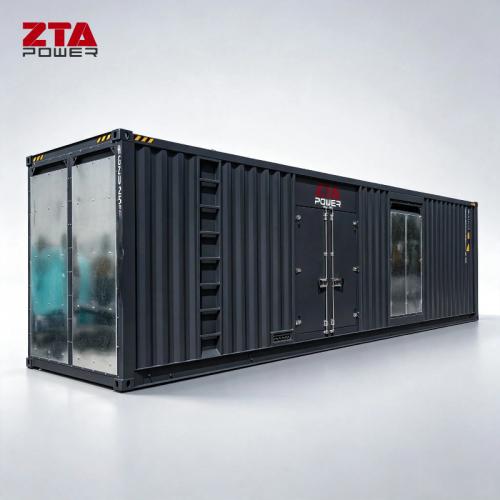
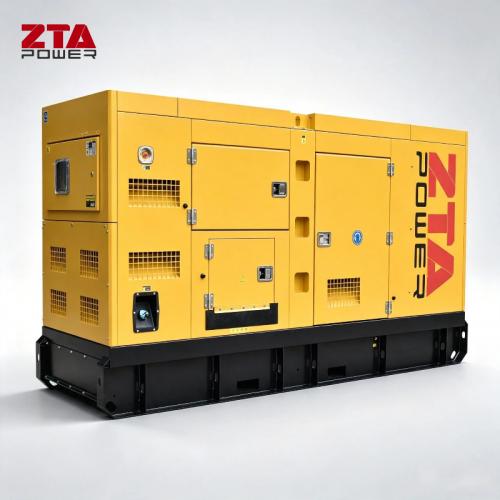
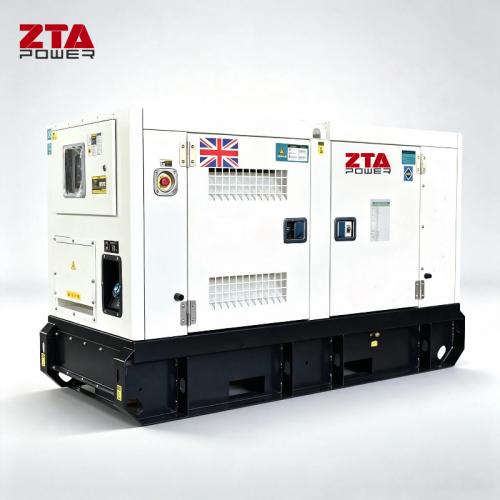
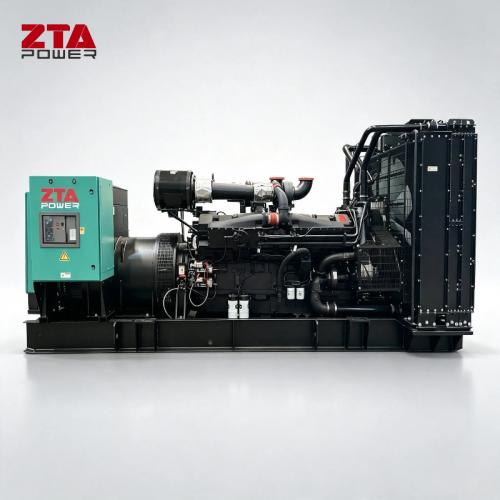
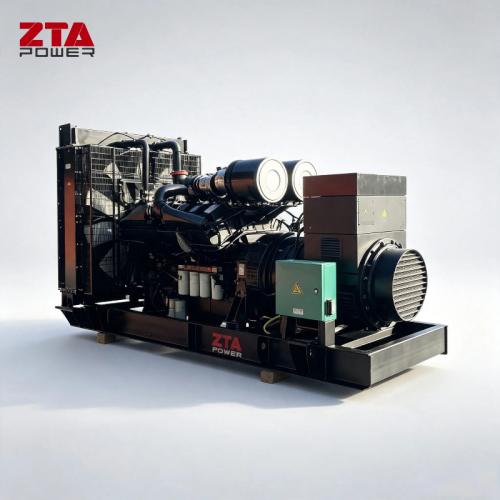
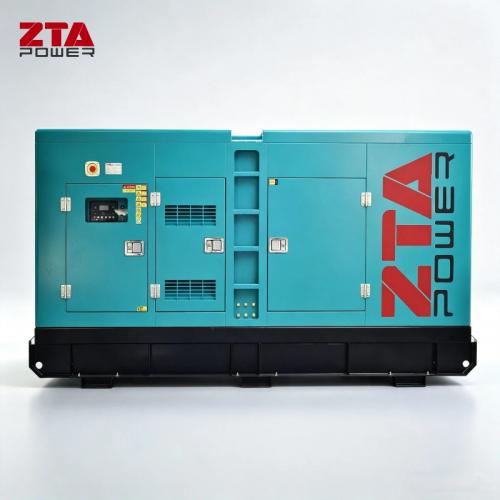
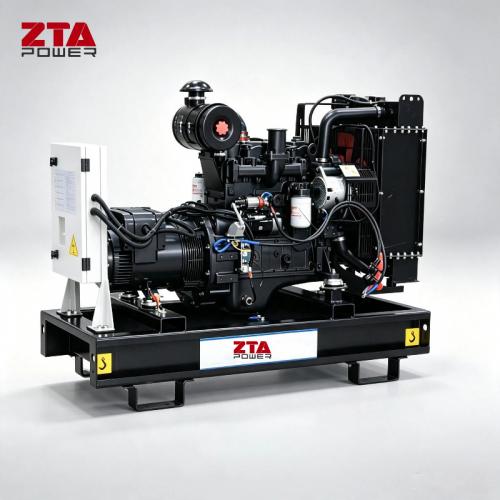
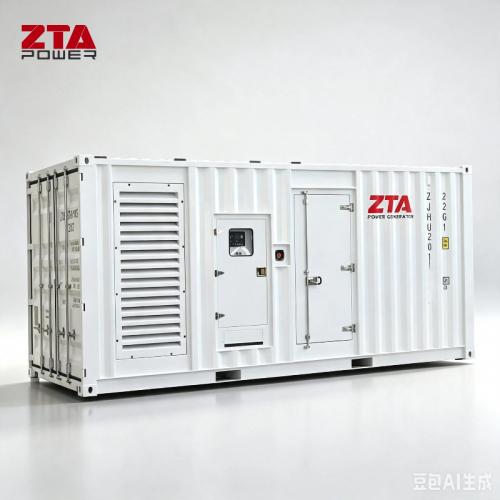
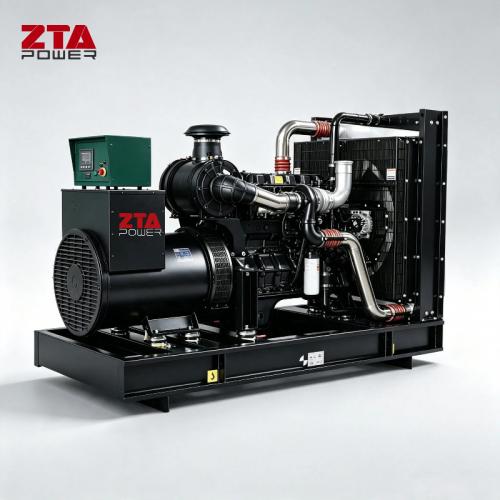
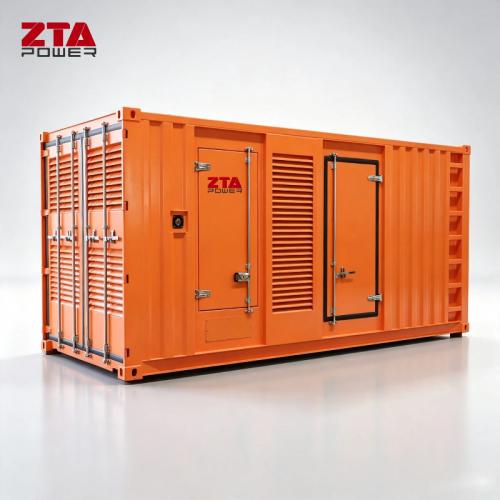
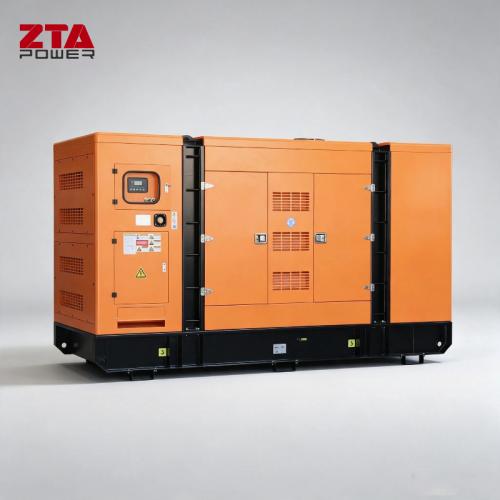
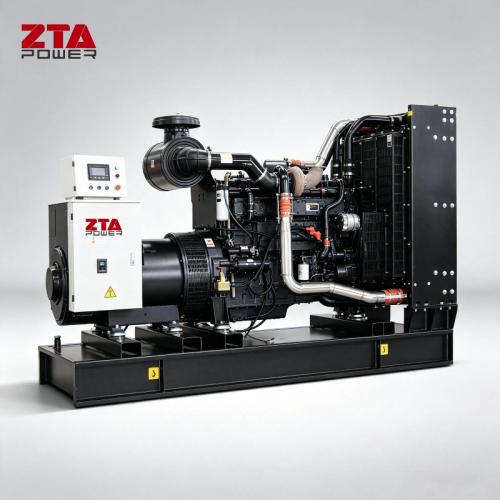
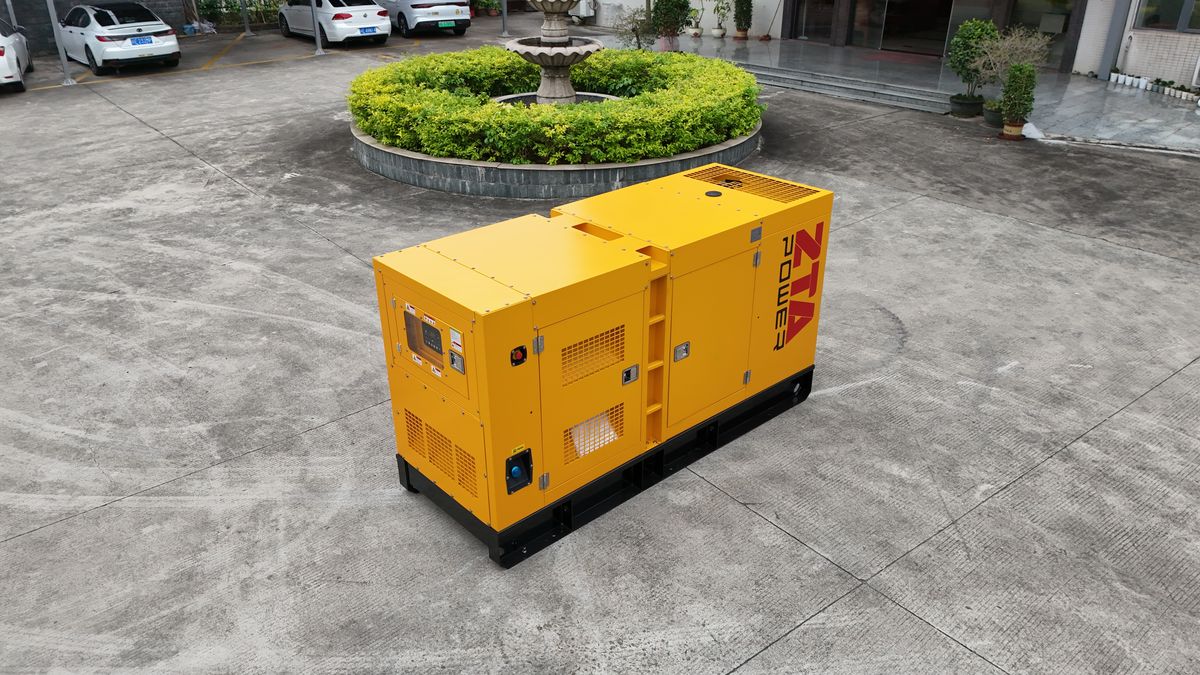
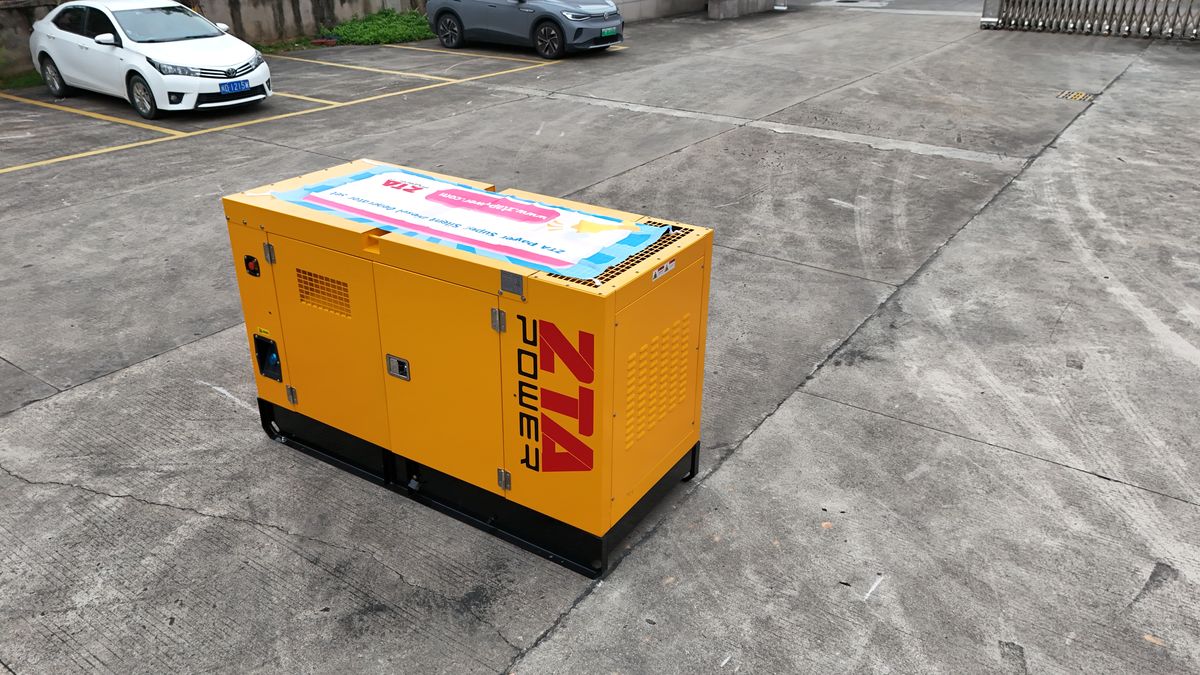
A ZTA Power fornece conjuntos geradores a diesel de grau industrial, conjuntos geradores silenciosos, conjuntos geradores em contêiner e painéis de controle ATS para aplicações de backup de energia comerciais e industriais.Contate-nos para consulta técnica e dimensionamento de sistemas personalizados.

 Rede IPv6 suportada
 English
 français
 русский
 español
 português
 العربية
 Türkçe
 ไทย
ไทย Tiếng Việt
 Indonesia
  Filipino